FACE Dentistry · Beverly Hills
Overbite or Deep Bite Correction Without Surgery
A New Approach to Your Smile, Jawline, and Facial Profile
Can You Correct an Overbite Without Braces or Jaw Surgery?
An overbite may affect more than your smile. It can influence the appearance of your chin, jawline, lips, and overall facial proportions.
Many adults with a deep overbite also notice that their lower jaw appears recessed, their chin looks small, or their facial profile lacks definition.
Traditional treatment options often include braces, Invisalign, or, in severe skeletal cases, orthognathic jaw surgery.
But what if your bite and facial appearance could be improved without surgery?
At FACE Dentistry, Dr. Joseph Goodman takes a different approach to evaluating overbite correction.
Rather than focusing exclusively on straightening teeth, FACE Dentistry considers the relationship between your upper and lower jaws, your bite, your temporomandibular joints (TMJs), and your facial proportions.
Our philosophy is simple:
We don't just design your smile. We design dentistry around your face.
What Is an Overbite?
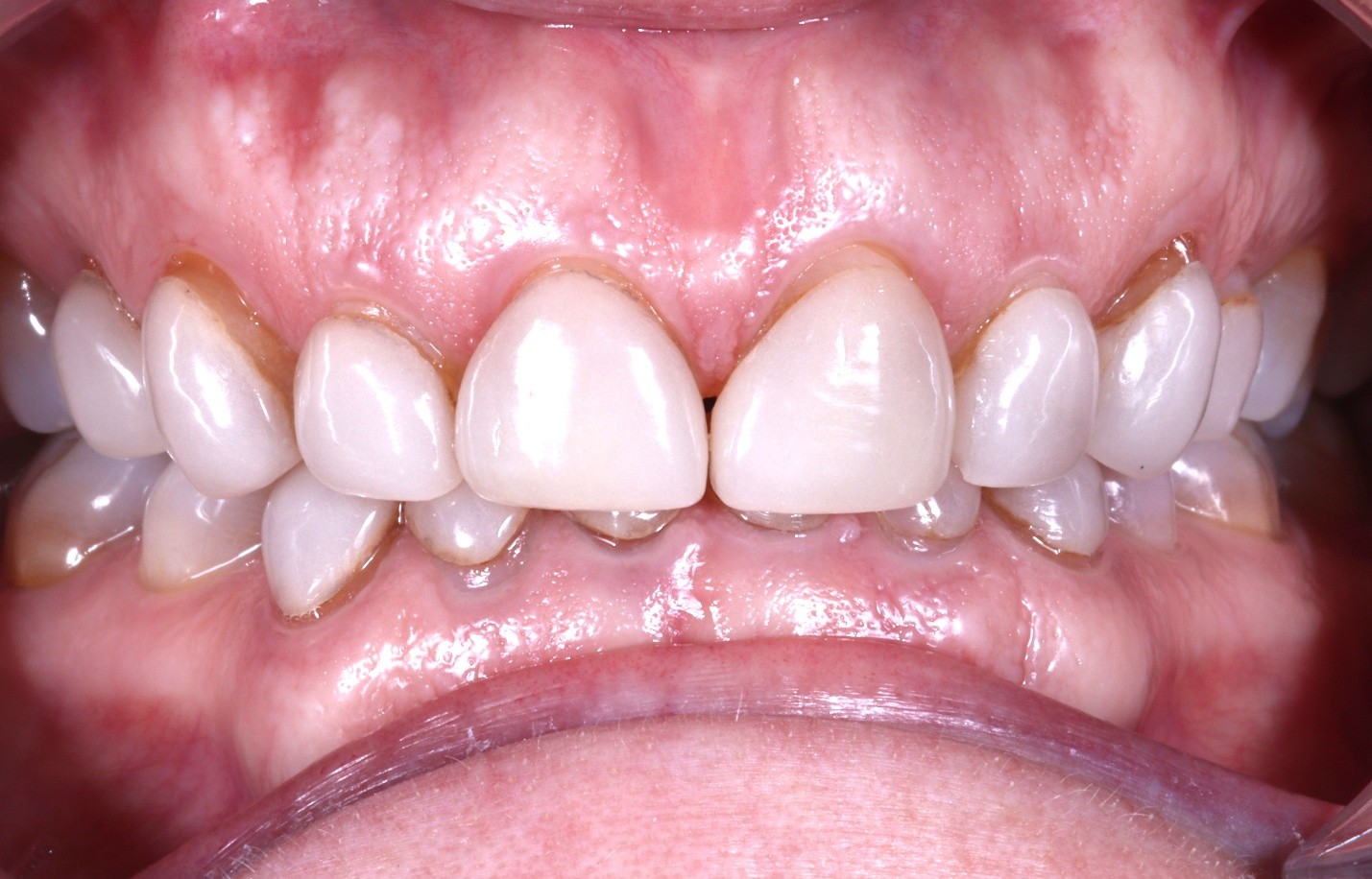
An overbite describes the vertical overlap of the upper front teeth over the lower front teeth when the mouth is closed.
A small amount of vertical overlap is normal. However, an excessive overbite, also called a deep bite, can create functional and aesthetic concerns.
Common characteristics of a deep overbite include:
- Upper front teeth covering an excessive portion of the lower front teeth
- Lower front teeth appearing unusually short or nearly hidden
- Excessive wear on certain teeth
- Lower teeth contacting or irritating the tissues behind the upper teeth
- Reduced visible lower facial height in some cases
- Bite-related discomfort or functional limitations
Some patients with a deep overbite also have a recessed lower jaw, a small-looking chin, or a Class II bite relationship.
Importantly, an overbite and a recessed lower jaw are not the same condition. An overbite refers to vertical tooth overlap, while mandibular retrusion refers to the position of the lower jaw. An overjet refers to the horizontal distance between the upper and lower front teeth.
These conditions can occur together, but they require different diagnostic considerations.
Why Does an Overbite Make the Chin Look Recessed?
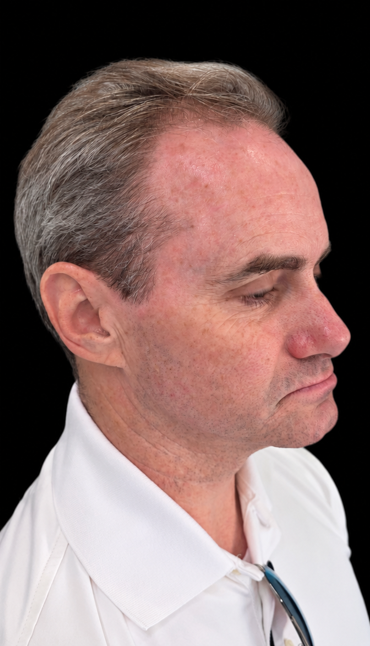
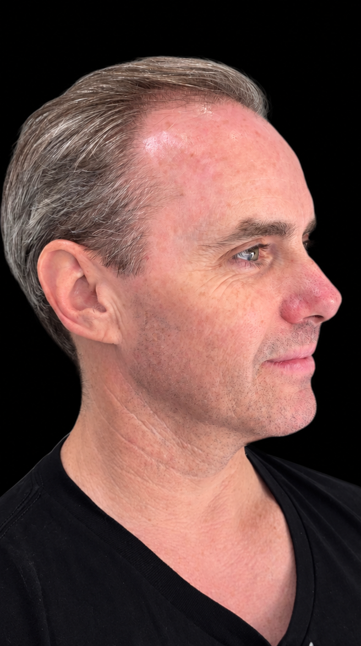
In certain patients, a deep bite is associated with a retruded mandibular position or reduced lower facial height.
When the lower jaw appears positioned farther back relative to the upper jaw, the chin may look less prominent and the jawline may appear less defined.
Patients may notice:
- A small or recessed-looking chin
- A less defined jawline
- An unbalanced side profile
- Prominent upper front teeth
- A shorter-looking lower third of the face
- A less harmonious relationship between the nose, lips, and chin
Not every deep overbite causes these features, and not every recessed chin is caused by the bite.
At FACE Dentistry, Dr. Goodman evaluates these relationships to determine whether correcting the bite could also improve the appearance of the lower face.
The FACE Dentistry Approach to Overbite Correction
We Evaluate the Face Before Designing the Teeth
Traditional cosmetic dentistry often concentrates on tooth color, shape, alignment, and smile symmetry.
FACE Dentistry incorporates those elements into a broader evaluation of facial structure and jaw function.
Dr. Goodman examines how the lower jaw relates to the upper jaw, how the teeth meet, and whether a different restorative bite relationship may be appropriate.
This includes assessing:
- Chin projection: How the chin relates to the lips, nose, and overall facial profile.
- Mandibular position: The relationship between the upper and lower jaws.
- Vertical dimension: The distance between the jaws when the teeth are together.
- TMJ function: How the jaw joints and surrounding muscles function during movement.
- Dental occlusion: How the upper and lower teeth contact.
- Facial aesthetics: How proposed dental changes may affect the smile and lower facial appearance.
The objective is to identify a functional, comfortable, and aesthetically appropriate treatment plan.
At FACE Dentistry, the teeth are designed with the face in mind—not the other way around.
Can an Overbite Be Corrected Without Surgery?
Yes. Many overbites can be treated without jaw surgery.
The appropriate treatment depends on whether the problem is primarily dental, skeletal, or a combination of both.
Nonsurgical treatment options may include:
- Invisalign or conventional orthodontics
- Bite-opening orthodontic techniques
- Restorative dentistry
- Porcelain veneers or crowns in selected cases
- Combined orthodontic and restorative treatment
For certain adult patients, FACE Dentistry evaluates whether changing the restorative bite relationship can improve dental function and facial appearance.
However, restorations cannot correct every skeletal jaw discrepancy, and not all patients are suitable candidates for bite repositioning through restorative treatment.
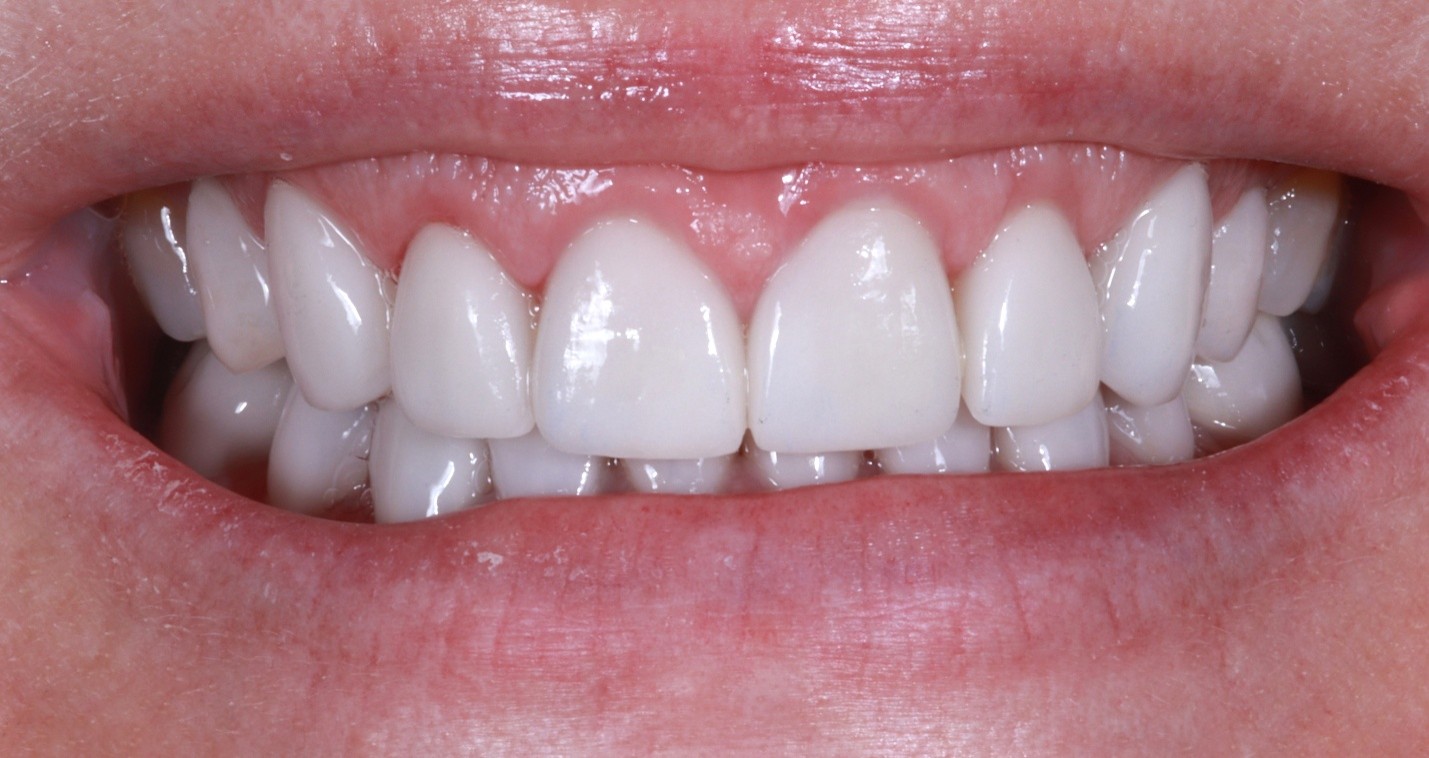
Can Moving the Lower Jaw Forward Improve an Overbite?
In some patients, a forward mandibular position may improve the relationship between the upper and lower teeth and alter the appearance of the chin and jawline.
However, the ability to move the lower jaw forward voluntarily does not mean that the position can safely or predictably be maintained permanently.
The TMJs, muscles, teeth, airway considerations, and existing skeletal relationships must all be evaluated.
At FACE Dentistry, Dr. Goodman investigates whether an alternative jaw relationship can be tested and whether restorative treatment is appropriate.
In selected cases, changing the dental contacts and vertical dimension may contribute to a more favorable bite relationship and lower facial appearance.
The goal is not simply to push the jaw forward. It is to identify a clinically appropriate position that supports function, comfort, and facial harmony.
What Is the Role of TMJ Tracking in Overbite Correction?
Understanding Jaw Movement Before Treatment
The temporomandibular joints connect the lower jaw to the skull and guide mandibular movement.
Dr. Goodman may incorporate jaw-tracking technology, clinical examination, imaging, and bite records to evaluate mandibular movement and function.
This assessment can help investigate:
- Opening and closing movements
- Functional jaw patterns
- Existing dental contacts
- Possible changes in bite position
- Patient comfort in proposed treatment positions
Jaw-tracking technology can provide useful information, but it does not independently determine a universally ideal jaw position or guarantee long-term stability.
A comprehensive diagnosis remains essential.
Can Porcelain Veneers Correct an Overbite?
Porcelain veneers are commonly associated with cosmetic smile improvements, but in selected cases, restorative treatment may also modify tooth shape, contact relationships, and the way the upper and lower teeth meet.
For appropriate patients, veneers, crowns, or other restorations may be considered as part of a comprehensive bite rehabilitation.
Potential benefits include:
- Improving tooth proportions
- Restoring worn teeth
- Modifying selected bite contacts
- Improving smile aesthetics
- Supporting a carefully planned restorative occlusion
Whenever possible, FACE Dentistry emphasizes conservative preparation and preservation of natural tooth structure.
Veneers alone are not an appropriate solution for every deep bite or recessed jaw. Extensive restorative treatment should be considered only after evaluating less invasive options and long-term risks.
Overbite Correction and the Appearance of a Small Chin
Can Dentistry Improve a Recessed Chin Without a Chin Implant?
A recessed chin can result from several factors, including mandibular position, skeletal anatomy, and facial proportions.
For patients whose facial appearance is influenced by the bite or a functional mandibular shift, changes in the dental relationship may affect the visible projection of the lower face.
In selected cases, this can create the appearance of a more balanced chin and jawline.
However, dental treatment does not physically enlarge the chin bone or replace genioplasty when a significant skeletal change is required.
The FACE Dentistry approach is designed to determine whether a dental solution may achieve meaningful improvements without facial surgery.
Overbite Correction vs. Jaw Surgery
Orthognathic surgery may be recommended when a severe skeletal discrepancy cannot be adequately corrected through orthodontics or restorative treatment.
FACE Dentistry offers an evaluation of potential nonsurgical options for patients seeking an alternative.
| Traditional Treatment | FACE Dentistry Approach |
|---|---|
| Braces or Invisalign to move teeth | Evaluates orthodontic and restorative possibilities |
| Jaw surgery for significant skeletal discrepancies | Explores nonsurgical treatment when clinically appropriate |
| Orthodontic bite correction | Integrates bite evaluation with facial aesthetics |
| Conventional cosmetic smile design | Considers chin, jawline, facial proportions, and smile together |
These approaches are not interchangeable, and some patients benefit most from coordinated orthodontic or surgical care.
Can You Preview Your New Bite and Jawline Before Treatment?
At FACE Dentistry, treatment planning may include digital imaging, photographs, bite records, and temporary mock-ups to help patients understand proposed changes.
Depending on the case, a preview may demonstrate:
- Proposed tooth shape and smile proportions
- Changes in the restorative bite
- Potential differences in lip support
- Possible changes in the appearance of the lower face
These previews help guide planning and patient decisions but cannot guarantee the final outcome.
Who Is a Candidate for FACE Dentistry Overbite Correction?
You may benefit from an evaluation if you:
- Have a deep overbite or excessive overjet
- Feel your lower jaw or chin appears recessed
- Want to explore nonsurgical alternatives
- Have worn or shortened teeth
- Are considering porcelain veneers or full-mouth rehabilitation
- Want to understand whether your bite affects your facial appearance
- Have been advised to consider orthodontics or jaw surgery and want a second opinion
Eligibility depends on dental health, skeletal anatomy, TMJ condition, functional stability, and treatment goals.
Meet Dr. Joseph Goodman — The Doctor Behind FACE Dentistry
Dr. Joseph Goodman, DDS, DMD, is a Beverly Hills cosmetic and general dentist with more than 25 years of clinical experience and international dental training.
His approach combines restorative dentistry, smile design, facial analysis, and functional bite evaluation.
Dr. Goodman believes that successful cosmetic dentistry should consider not only the appearance of the teeth but also their relationship to the face.
Through FACE Dentistry, he explores how carefully planned dental treatment may improve the smile, bite, and overall facial harmony.
FACE Dentistry — The Facelift of Dentistry
We design dentistry around your face.
Frequently Asked Questions About Overbite Correction
Discover a Different Approach to Overbite Correction
Have you been told that braces or jaw surgery are your only options?
You may have other possibilities worth exploring.
At FACE Dentistry, Dr. Joseph Goodman evaluates the relationship between your bite, lower jaw, chin, and facial proportions to determine whether a conservative, nonsurgical approach may be appropriate.
Because correcting your smile should involve understanding your entire face.
FACE DENTISTRY — THE FACELIFT OF DENTISTRY
Schedule Your Consultation
Website: https://facedentistry.com
269 S. Beverly Drive
Beverly Hills, CA 90212
424-DENTIST (424-336-8478)
Individual results vary. Not every overbite or recessed jaw can be corrected through restorative dentistry. A clinical evaluation is necessary to determine appropriate treatment