FACE Dentistry · Beverly Hills
Underbite Correction Without Surgery
A Face-Driven Approach
Can You Fix an Underbite Without Jaw Surgery?
An underbite doesn't always mean you need jaw surgery.
If your lower teeth extend in front of your upper teeth, you may have an underbite, also known as a Class III malocclusion. For some patients, this condition can affect more than their smile. It may influence their facial profile, chin appearance, bite function, and overall facial balance.
Traditional treatment options often include orthodontics, braces, Invisalign, or orthognathic jaw surgery.
But what if there were another approach for selected patients?
At FACE Dentistry, Dr. Joseph Goodman explores whether a nonsurgical, face-driven dental treatment can improve the bite, smile, and facial appearance without invasive jaw surgery.
Our philosophy is simple:
We don't just design teeth. We design dentistry around your face.
What Is an Underbite?
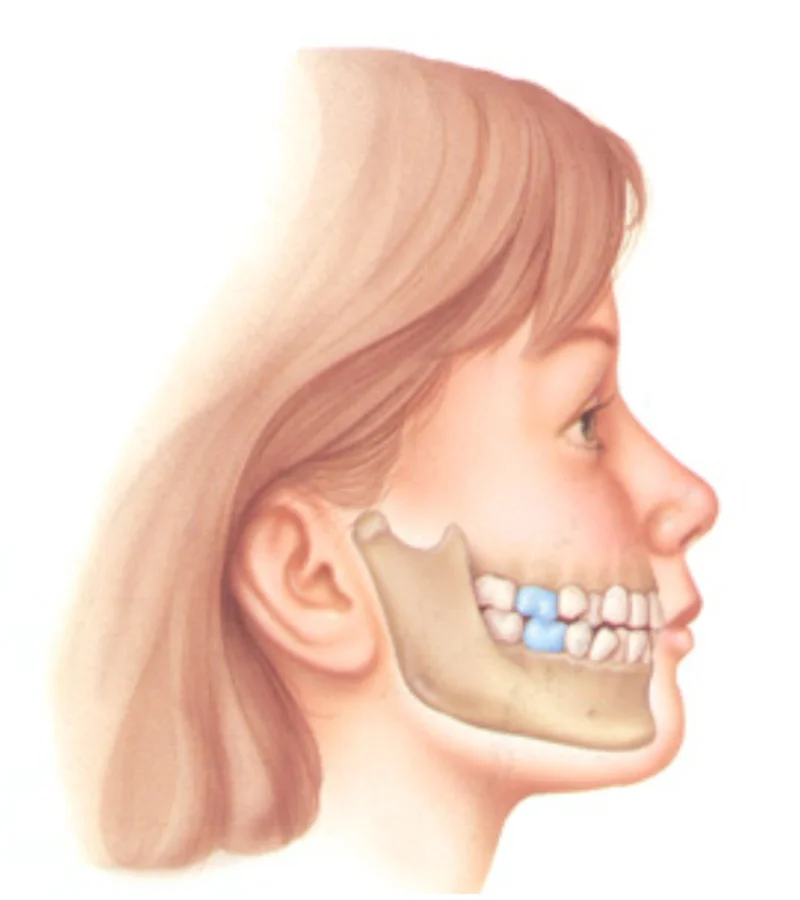 Class 1 ideal
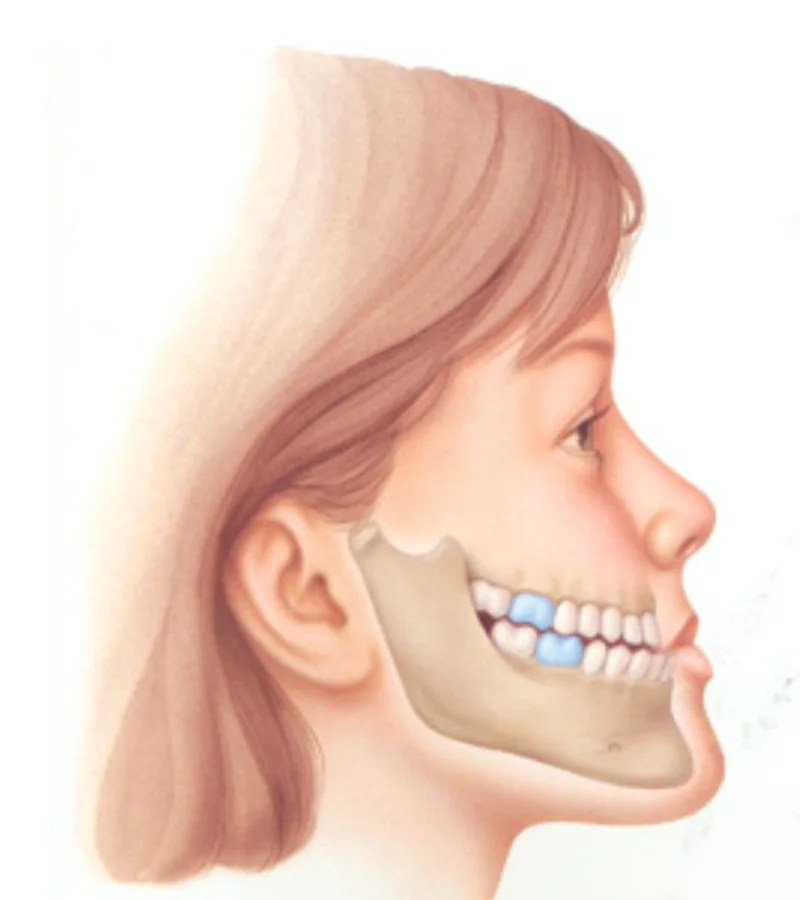 Class 3 underbite
An underbite occurs when the lower front teeth sit ahead of the upper front teeth when the jaws close.
This condition is commonly associated with a Class III bite relationship and may involve:
- A prominent or protruding lower jaw
- An anterior crossbite
- A chin that appears overly projected
- An imbalanced facial profile
- Difficulty biting or chewing
- Uneven tooth wear
- A smile that appears out of proportion with the face
Not every underbite is caused by the same problem.
Some are primarily dental, involving tooth position. Others are skeletal, involving the size or relationship of the upper and lower jaws. Many involve a combination of both.
Understanding the cause of the underbite is essential before deciding how to treat it.
The FACE Dentistry Approach to Underbite Correction
We Look Beyond the Teeth
Conventional cosmetic dentistry frequently begins with the teeth.
FACE Dentistry begins with the relationship between the teeth, jaws, chin, temporomandibular joints (TMJs), and facial proportions.
Dr. Goodman evaluates how the lower jaw functions and how the patient's existing bite contributes to the overall facial appearance.
The goal is to determine whether a different, comfortable, functional jaw relationship can be established and supported through carefully planned dental treatment.
In appropriate cases, restorative dentistry may improve an anterior crossbite, establish more favorable tooth contacts, and enhance facial balance.
The objective is not simply straighter teeth. It is a harmonious relationship between your smile, bite, and face.
Can FACE Dentistry Correct an Underbite Without Surgery?
For selected patients, nonsurgical correction or improvement may be possible.
The treatment depends on the severity and underlying cause of the underbite, jaw anatomy, periodontal health, tooth structure, and TMJ condition.
When a favorable jaw position can be demonstrated and is clinically appropriate, Dr. Goodman may use restorative techniques to help establish and maintain the planned bite relationship.
However, dental restorations cannot physically shorten an oversized lower jaw or correct every skeletal discrepancy. Significant skeletal Class III cases may still require orthodontic treatment or orthognathic surgery.
A comprehensive examination is necessary to determine whether FACE Dentistry is a suitable alternative.
Anterior Crossbite Correction Without Braces
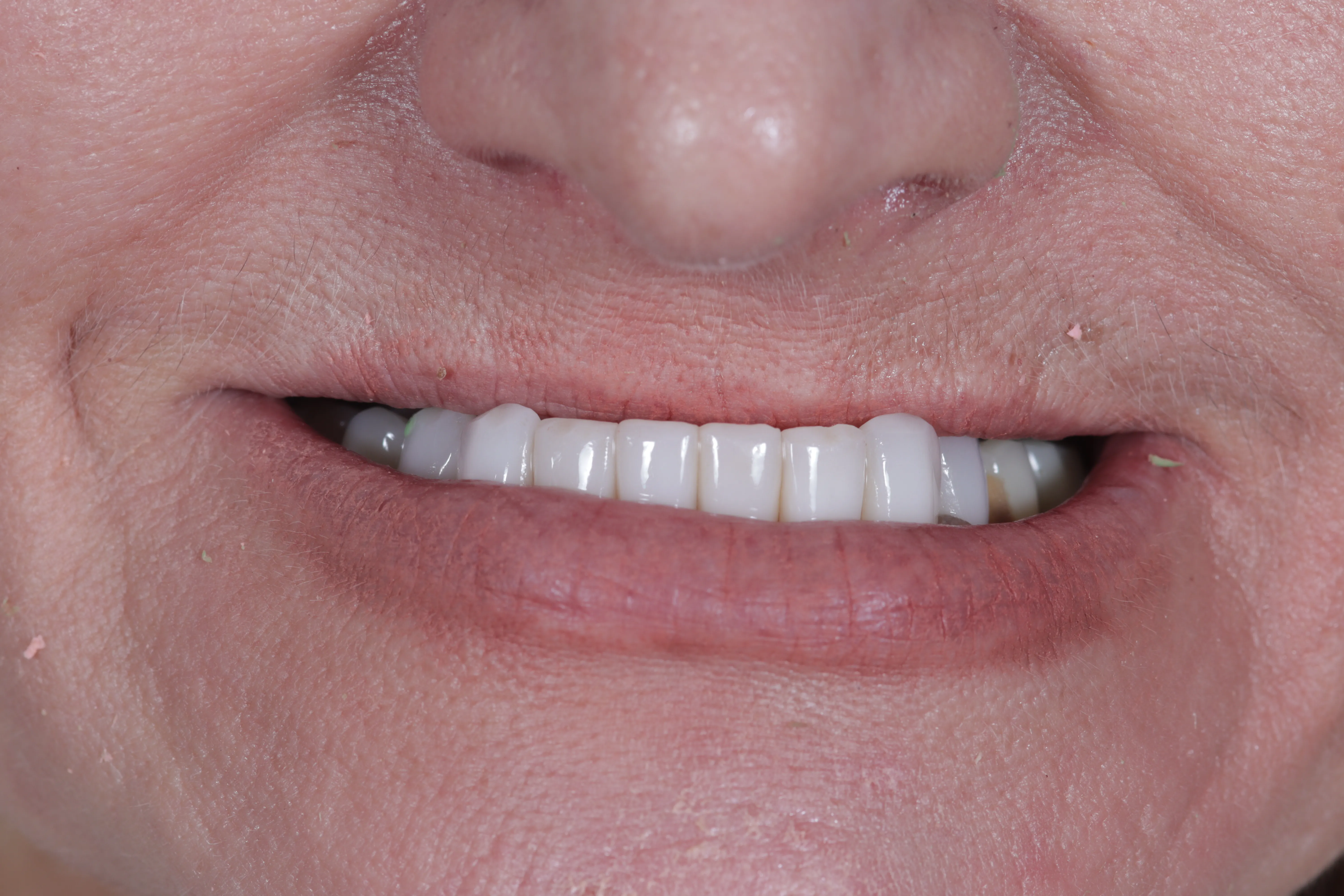
An anterior crossbite occurs when one or more lower front teeth close in front of the upper front teeth.
Although anterior crossbite and underbite are often used interchangeably, they are not always the same condition.
Some anterior crossbites are caused primarily by tooth position or a functional shift of the lower jaw.
Others are related to a skeletal discrepancy.
Depending on the diagnosis, treatment options may include orthodontics, bite adjustment, restorative dentistry, or a combination of approaches.
At FACE Dentistry, we investigate whether a restorative, face-driven solution can improve the patient's bite without extensive orthodontics or surgery.
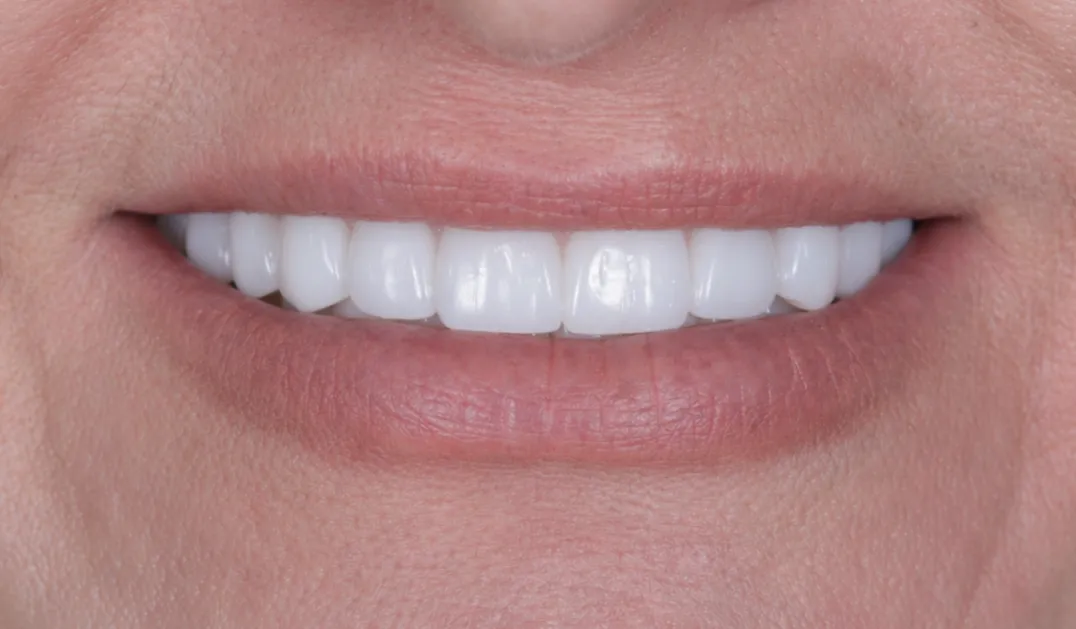
How Does FACE Dentistry Evaluate Jaw Position?
Advanced TMJ and Bite Analysis
The temporomandibular joints connect the lower jaw to the skull and play an important role in jaw movement and function.
Dr. Goodman uses clinical bite evaluation and, when indicated, jaw-tracking technology to study mandibular movement and assess possible treatment positions.
The evaluation may include:
- Facial analysis: Examining the chin, jawline, lips, and facial proportions.
- Bite analysis: Assessing how the upper and lower teeth contact.
- TMJ evaluation: Evaluating jaw movement, joint health, and functional limitations.
- Digital imaging: Reviewing dental and skeletal relationships using appropriate imaging.
- Bite-position testing: Assessing whether an alternative jaw position is comfortable, functional, and clinically suitable.
- Smile design: Planning the proposed dental restorations around the facial and bite findings.
Jaw tracking provides useful movement information, but no single tracking system can establish a universally ideal jaw position or guarantee long-term stability.
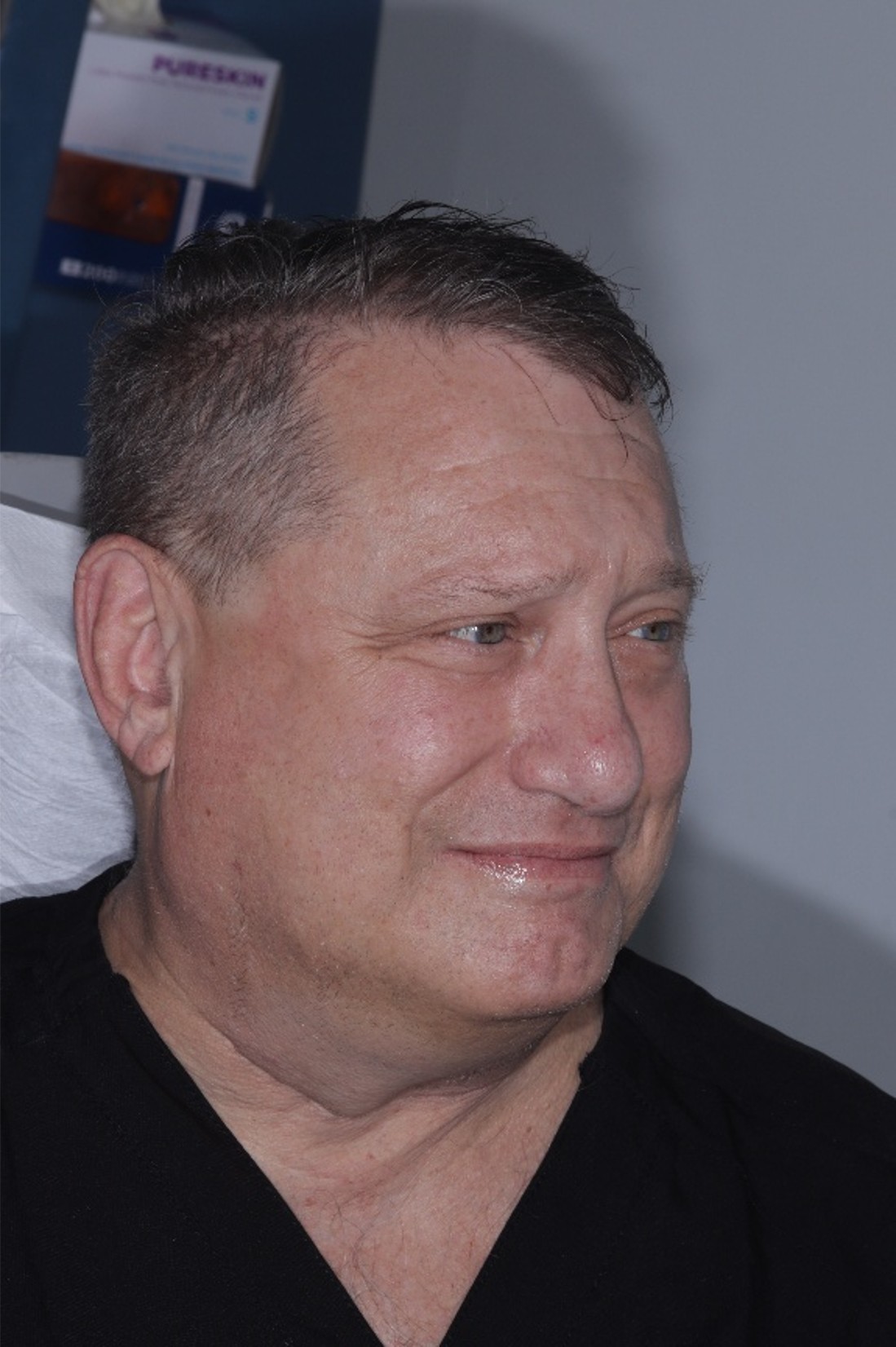
Can Porcelain Veneers Help Correct an Underbite?
In carefully selected cases, porcelain veneers, crowns, or other restorations may help modify tooth shape, contact relationships, and the way the teeth meet.
When appropriate, conservative or minimal-preparation restorations may be considered to preserve natural tooth structure.
For certain patients, this approach may help:
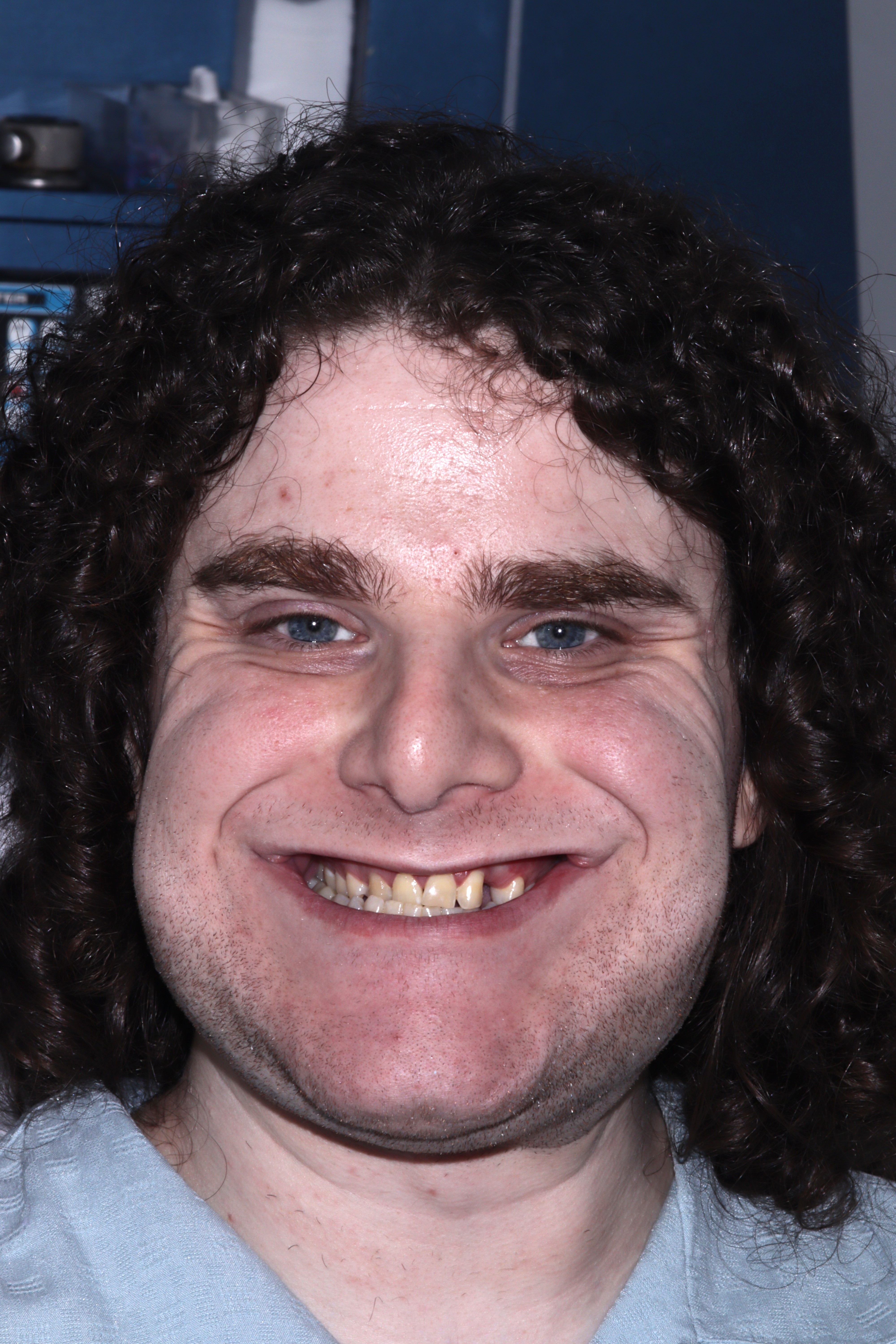
- Improve the appearance of an anterior crossbite
- Establish a more favorable bite relationship
- Improve smile symmetry and tooth proportions
- Support a planned restorative jaw relationship
- Create a more balanced appearance of the smile and lower face
Restorations are not a substitute for skeletal surgery when substantial repositioning of the jawbones is necessary.
The key is determining whether the problem can be addressed safely and predictably through dentistry.
Underbite Correction and Facial Aesthetics
Can Treating an Underbite Improve Your Chin and Jawline?
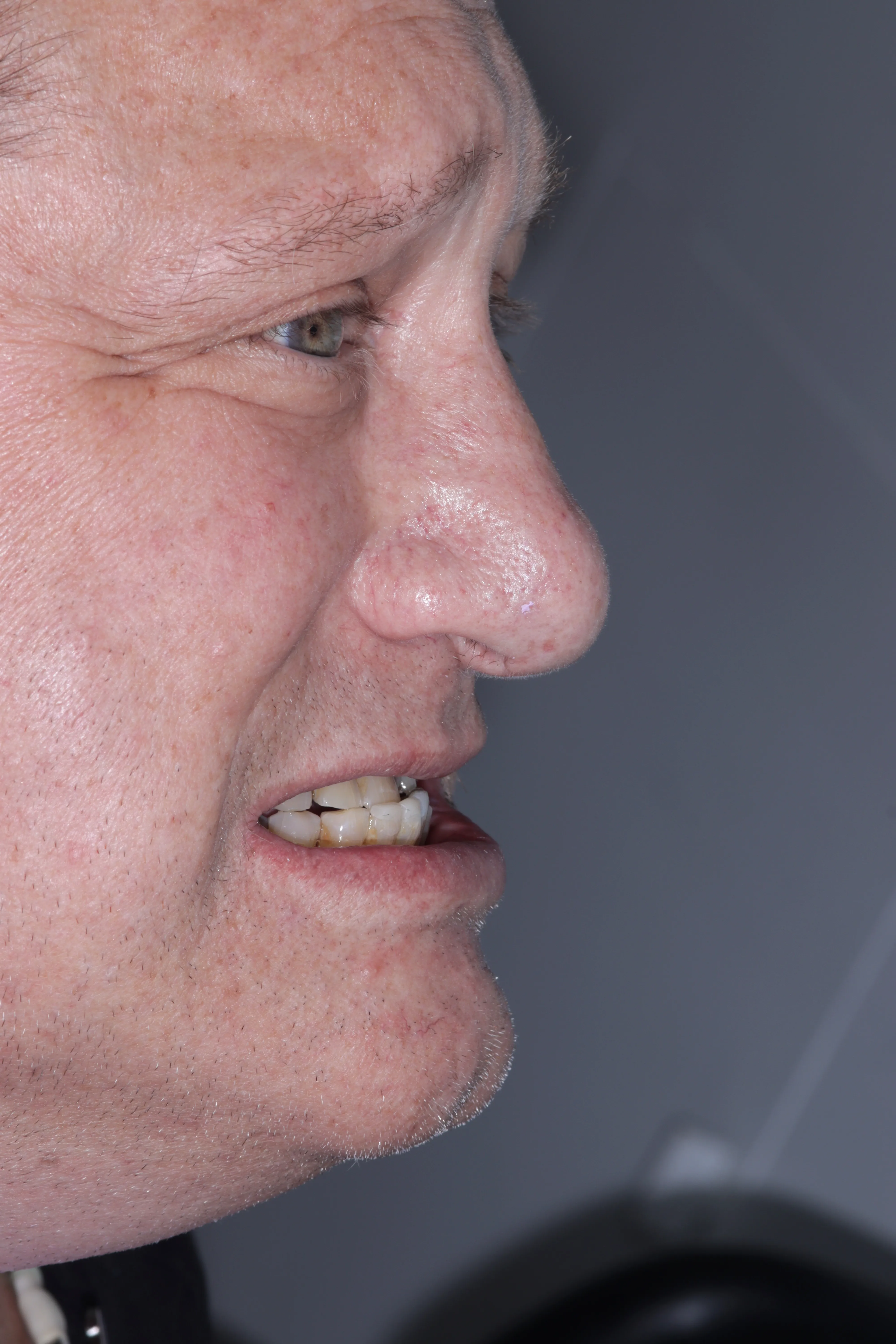
An underbite can make the lower jaw or chin appear disproportionately prominent, especially when viewed from the side.
In some patients, improving the dental relationship or correcting a functional mandibular shift may change the appearance of the lower face.
Potential aesthetic improvements may include a more harmonious smile, improved lip support, and a more balanced facial profile.
The degree of change varies considerably. Restorative dentistry does not produce the same skeletal changes as jaw surgery or genioplasty.
At FACE Dentistry, facial aesthetics are considered alongside bite function, rather than treated as an unrelated concern.
FACE Dentistry vs. Traditional Underbite Treatment
| Traditional Approaches | FACE Dentistry Evaluation |
|---|---|
| Braces or Invisalign to reposition teeth | Evaluates whether restorative treatment is appropriate |
| Orthognathic surgery to reposition jawbones | Explores nonsurgical options for selected cases |
| Primarily orthodontic or surgical correction | Integrates facial analysis, bite function, and restorative planning |
| Treatment based on dental and skeletal diagnosis | Adds face-driven cosmetic and functional considerations |
These approaches are not necessarily interchangeable. Some patients will benefit most from orthodontics, surgery, or coordinated multidisciplinary treatment.
Can You Preview Your New Bite and Facial Appearance?
One of the most important parts of treatment planning is helping patients understand the proposed result before committing to definitive restorations.
Depending on the case, FACE Dentistry may use digital smile design, photographs, bite records, and temporary restorative mock-ups to demonstrate aspects of the proposed treatment.
This allows patients to participate in the planning process and evaluate potential changes.
A preview is a planning aid, not a guarantee of the final facial or functional outcome.
Meet Dr. Joseph Goodman — The Doctor Behind FACE Dentistry
Dr. Joseph Goodman, DDS, DMD, is an internationally trained cosmetic and general dentist with more than 25 years of clinical experience.
Based in Beverly Hills, California, Dr. Goodman combines cosmetic dentistry, restorative dentistry, facial analysis, and bite evaluation to develop individualized treatment plans.
His conservative philosophy emphasizes preserving natural tooth structure whenever possible.
Through FACE Dentistry, Dr. Goodman focuses on the relationship between the smile, jaw position, chin, and facial appearance.
The FACE Dentistry philosophy: We design dentistry around your face.
Frequently Asked Questions About Underbite Correction
Discover Whether Your Underbite Can Be Improved Without Surgery
Have you been told that jaw surgery or years of braces are your only options?
You may benefit from an additional evaluation.
At FACE Dentistry, Dr. Joseph Goodman examines your bite, jaw function, chin position, and facial proportions to determine whether a conservative, nonsurgical treatment approach may be appropriate.
Your smile is only one part of your face. Your treatment plan should consider the whole picture.
FACE DENTISTRY — THE FACELIFT OF DENTISTRY
We move your jawline and chin toward a more balanced appearance when clinically appropriate, designing dentistry around your face.
Schedule Your FACE Dentistry Consultation
Website: https://facedentistry.com
241 S. Beverly Drive
Beverly Hills, CA 90212
Phone: 424-DENTIST
Individual results vary. Not all underbites are candidates for nonsurgical correction.